Identify Moisture and Mold Concerns Before They Become Larger Problems
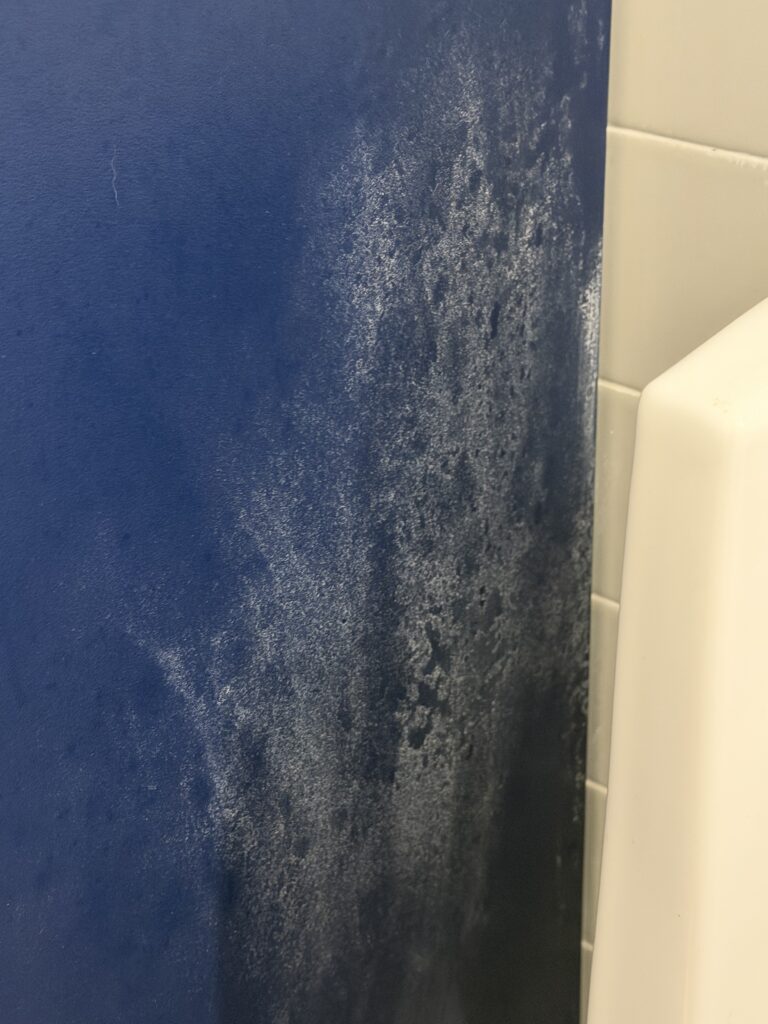
Water intrusion, elevated moisture, visible discoloration, musty odors, and indoor environmental concerns can indicate conditions that warrant further investigation. SPEC Environmental Consulting provides professional assessments and testing to help identify potential moisture and fungal growth concerns within residential and commercial properties.
Understanding the Source of Moisture
SPEC evaluates moisture conditions within a property to help identify potential sources of moisture, areas of concern, and the extent of any impact.
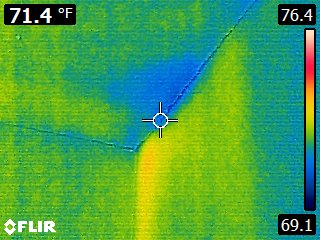
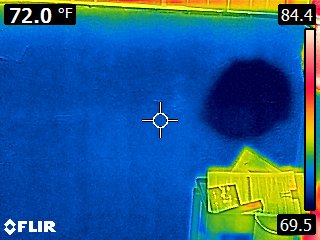
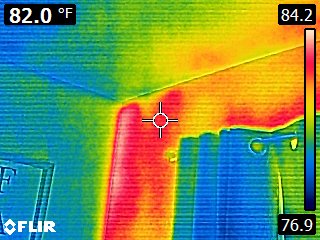
Depending on the project, assessments may include visual observations, moisture measurements, thermal imaging, air or surface sampling, and other appropriate testing methods. SPEC also provides post-remediation verifications (PRV) and clearance testing to assess whether remediation work has been completed as expected and whether established clearance criteria have been met.

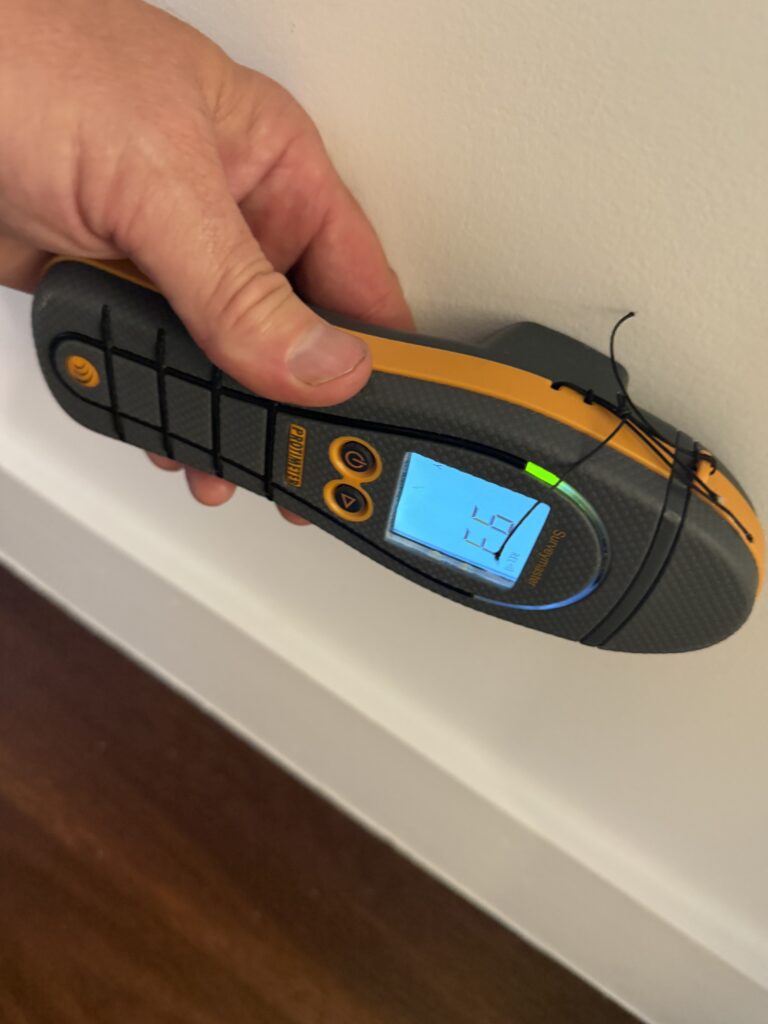
When Should You Consider a Moisture Assessment?
Post-Remediation Verification (PRV) & Clearance Testing
St. Pete Environmental Consulting (SPEC) provides independent post-remediation verification (PRV) and clearance testing to assess whether remediation work has been completed as expected and established clearance criteria have been met.
Our assessments may include visual inspections, moisture measurements, and air or surface sampling, when appropriate. As a third-party environmental consultant, SPEC provides objective documentation of conditions following remediation, helping property owners, contractors, and property managers confirm that remediated areas are ready for their intended use.
When is a PRV needed?
A post-remediation verification is often needed…
After Mold Remediation
When remediation work has bee completed and the area needs to be evaluated before returning to normal use.
Before Preoccupancy
Following removal of water-damaged or affected materials, before rebuilding begins or the area is returned to normal use.
Before Containment Is Removed
When the project requires verification that established clearance criteria have been met before containment is removed.
When Required by the Project
When required by the project scope, remediation protocol, insurer, or other applicable requirements.
When Independent Documentation Is needed
When a property owner, contractor, property manager, or other stakeholder wants objective documentation of post-remediation conditions.
When There Are Concerns
When questions remain about the condition of a remediated area or whether additional assessment is needed.